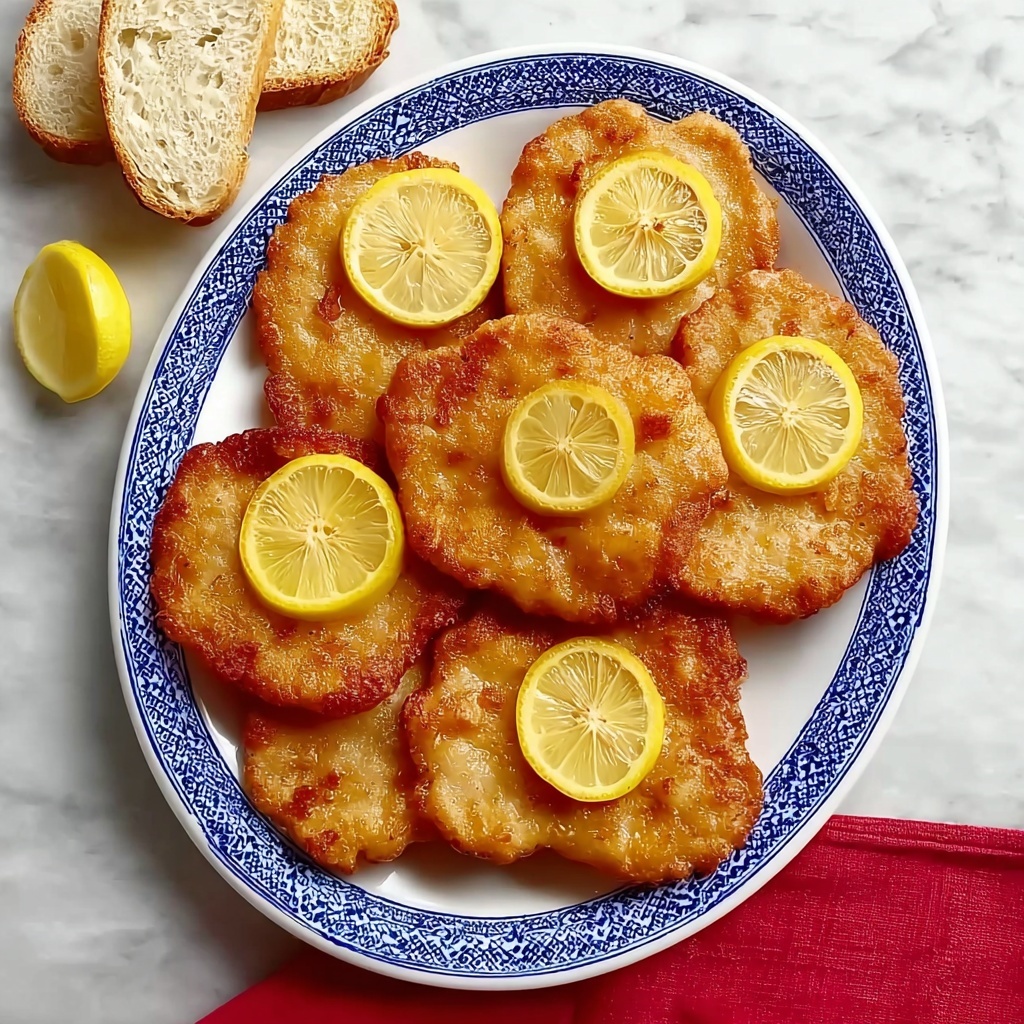
If you have a craving for something that’s both elegant and bursting with bright, fresh flavors, then this Scaloppine Al Limone Recipe is going to be your new favorite go-to. Tender, paper-thin veal fillets come together with a buttery, zesty lemon sauce that simply melts in your mouth. It’s a classic Italian dish that’s surprisingly easy to make and looks impressive enough to serve to guests or just enjoy as a special weeknight meal.
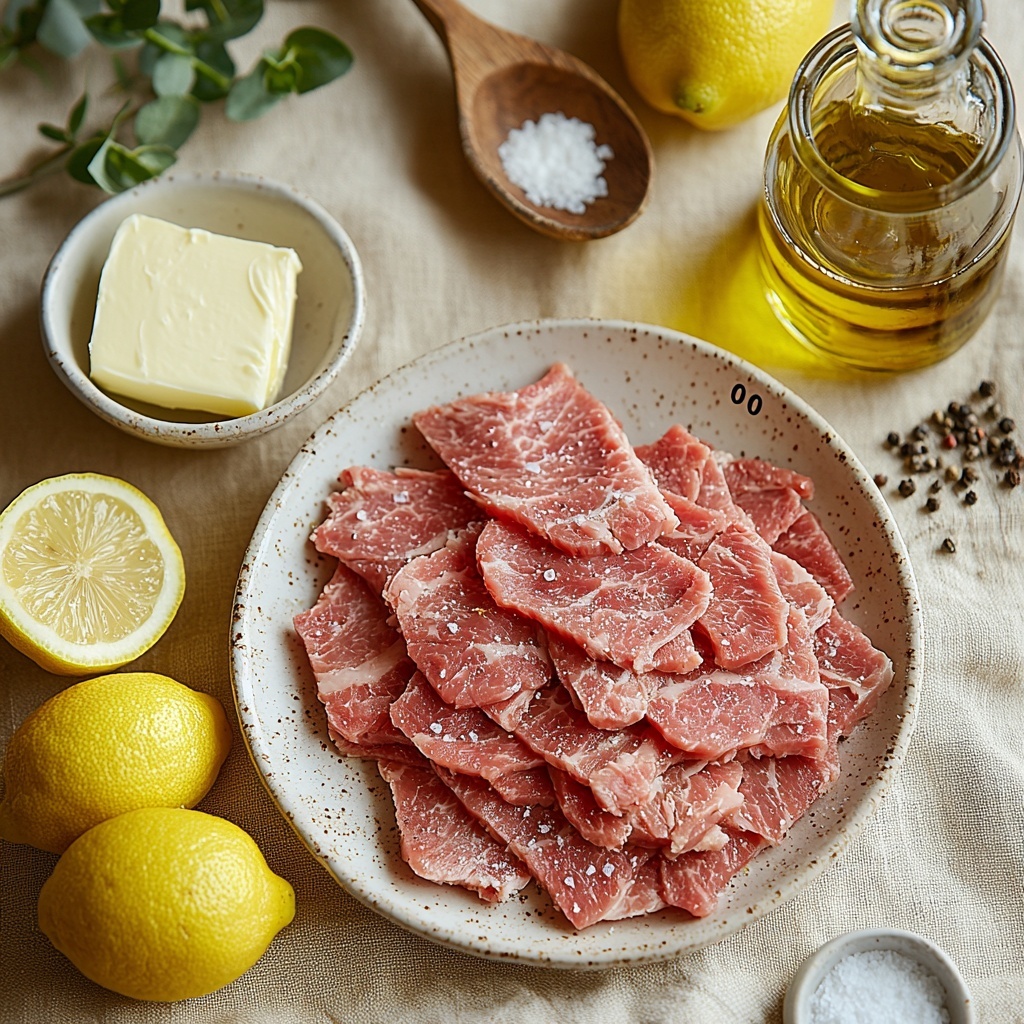
Ingredients You’ll Need
The beauty of this Scaloppine Al Limone Recipe lies in its simplicity. Every ingredient plays a key role, from the delicate veal that cooks quickly and stays tender to the bright lemon that lifts the entire dish with fresh acidity. Using quality olive oil and “00” flour also guarantees the perfect texture and flavor in every bite.
- 8 veal fillets (about ⅛ inch / 3 mm thick): The star of the dish, thinly pounded for quick, even cooking and tender bite.
- ½ cup (60 g) type “00” flour: This finely milled Italian flour creates a light, crisp coating on the veal.
- 2 Tbsp (30 ml) extra virgin olive oil (EVOO): Adds richness and prevents sticking while giving a subtle fruitiness to the dish.
- 1 lemon (juice and slices): The vibrant burst of citrus brightens and balances the buttery sauce perfectly.
- ⅛ cup (30 ml) white wine: Adds complexity to the sauce by deglazing the pan and lifting those flavorful browned bits.
- 1 Tbsp (14 g) butter: Enriches the sauce, making it silky and smooth.
- Fine sea salt, to taste: Essential for seasoning both the meat and the flour coating evenly.
- Fresh cracked pepper, to taste: Adds a subtle, warming spice that complements the lemon beautifully.
How to Make Scaloppine Al Limone Recipe
Step 1: Pound the Veal
Start by wrapping each veal fillet tightly in plastic wrap. Using a meat cleaver or small mallet, gently pound the fillets from the center outwards until they reach about ⅛ inch (3 mm) thickness. Flip and do the same on the other side. This step achieves even thinness, which is crucial for the tender texture and quick cooking the dish is famous for.
Step 2: Season Generously
Unwrap the fillets and lay them out on a plate. Sprinkle fine sea salt and freshly cracked pepper liberally on both sides. Well-seasoned meat forms the foundation for this recipe’s incredible flavor.
Step 3: Prepare the Flour
In a shallow dish, whisk together the “00” flour with a pinch of salt and pepper. Seasoning the flour inside ensures every bite is perfectly balanced and prevents the coating from clumping on the veal.
Step 4: Dredge the Veal
One by one, coat each fillet in the seasoned flour, making sure both sides are fully covered. Shake off any excess flour—too much coating means soggy spots and won’t crisp properly. Set the fillets aside neatly on a clean plate.
Step 5: Heat the Oil
Pour the extra virgin olive oil into a spacious sauté pan and heat over medium-high until the oil is shimmering and hot. Using good quality EVOO elevates the dish, adding subtle fruity notes and preventing the veal from sticking.
Step 6: Fry the Fillets
Carefully place veal fillets into the hot oil, avoiding overcrowding so each can crisp evenly. Fry for 2 minutes on the first side until a golden crust forms. Flip and cook for 1 more minute on the other side. Remove and lay them out on a clean dish. Repeat with remaining fillets in batches.
Step 7: Deglaze the Pan
Turn the heat down to low and pour in the white wine. Use a wooden spoon to scrape up the delicious browned bits stuck to the pan bottom—this step is the secret to building depth and flavor in the sauce.
Step 8: Make the Sauce
Add the butter and two slices of lemon into the pan. Let it simmer gently for a couple of minutes so the butter melts and mingles with the lemon. This luscious sauce will coat the veal with a tangy, velvety finish.
Step 9: Combine and Serve
Return the veal fillets to the pan and squeeze fresh lemon juice over the top. Turn off the heat and gently flip the fillets so they become evenly coated in the sauce. Transfer everything to a serving platter, pour any remaining juices over, and artfully arrange the lemon slices for a pretty presentation.
How to Serve Scaloppine Al Limone Recipe
Garnishes
A few fresh sprigs of parsley or a dusting of finely chopped herbs like thyme or basil can add a burst of color and fresh aroma. The bright yellow lemon slices placed on top not only look gorgeous but also invite your guests to add extra citrus flavor if they like.
Side Dishes
This dish pairs beautifully with light, simple sides that let the veal shine. Think buttery mashed potatoes, delicate risotto, or a crisp green salad dressed with a lemon vinaigrette to echo the sauce’s citrus notes. Steamed asparagus or sautéed spinach bring a nice earthy contrast that rounds out the plate.
Creative Ways to Present
For a special touch, try serving the veal scaloppine on warmed plates with a drizzle of the lemon-butter sauce artfully swirled around. Or layer the fillets on a wooden serving board garnished with lemon slices and fresh herbs to create a rustic vibe that invites sharing and conversation.
Make Ahead and Storage
Storing Leftovers
If you find yourself with leftovers of this Scaloppine Al Limone Recipe, simply store them in an airtight container in the refrigerator. They will keep well for 3-4 days. Be sure to keep the sauce and veal together so the meat doesn’t dry out and stays infused with all the lovely lemon flavors.
Freezing
While fresh is best, you can freeze the cooked veal scaloppine for up to 1 month in a sealed freezer-safe container. To avoid ice crystals and freezer burn, wrap the fillets tightly with plastic wrap before placing them in a container. Thaw overnight in the refrigerator before reheating.
Reheating
Reheat leftovers gently on the stovetop over low heat with a splash of water or extra lemon juice to revive the sauce and keep the meat tender. Avoid microwaving if possible, as it can make the veal chewy. Slow and steady heat makes the flavors sing again.
FAQs
Can I substitute chicken or pork for veal in this Scaloppine Al Limone Recipe?
Absolutely! Chicken breast or pork cutlets work well if veal is hard to find. Just make sure to pound them thin like the veal so they cook quickly and remain tender.
What type of white wine is best to use?
A dry white wine like Pinot Grigio, Sauvignon Blanc, or Chardonnay works beautifully. Choose one you enjoy drinking since it influences the sauce’s flavor.
Is type “00” flour necessary or can I use all-purpose flour?
“00” flour is ideal because it’s very finely ground, giving a lighter coating. All-purpose flour can be used in a pinch but might result in a slightly heavier crust.
How do I prevent the veal from becoming tough?
The key is pounding the veal thinly and not overcooking. Frying for just a few minutes and immediately coating with the lemon-butter sauce keeps it tender and juicy.
Can I make the sauce dairy-free?
Yes! Replace the butter with a generous drizzle of extra virgin olive oil and use freshly squeezed lemon juice. The sauce will still be flavorful and bright.
Final Thoughts
This Scaloppine Al Limone Recipe has a way of turning simple ingredients into an unforgettable meal. It’s quick, delicious, and elegant—a combination that feels rare yet effortless in a busy kitchen. I encourage you to try it out, share it with loved ones, and discover what makes this classic Italian dish a true kitchen treasure.
Print
Scaloppine Al Limone Recipe
- Prep Time: 10 minutes
- Cook Time: 10 minutes
- Total Time: 20 minutes
- Yield: 4 servings
- Category: Main Course
- Method: Frying
- Cuisine: Italian
- Diet: Halal
Description
Scaloppine al Limone is a classic Italian dish featuring thinly pounded veal fillets sautéed to a golden brown, then bathed in a delicate lemon and butter sauce. This quick and elegant recipe bursts with bright citrus flavors balanced by a rich, velvety pan sauce, making it ideal for a sophisticated yet simple meal.
Ingredients
Veal and Coating
- 8 veal fillets, cut to about an ⅛ inch (3 mm) thickness
- ½ cup (60 g) type “00” flour
- Fine sea salt, to taste
- Fresh cracked pepper, to taste
Cooking and Sauce
- 2 Tbsp (30 ml) extra virgin olive oil (EVOO)
- 1 lemon (juice and slices)
- ⅛ cup (30 ml) white wine
- 1 Tbsp (14 g) butter
Instructions
- Pound the Veal: Wrap each veal fillet tightly in plastic wrap. Using a meat cleaver, gently pound the fillets working from the center outward until the meat is about ⅛ inch (3 mm) thick on both sides to ensure even cooking and tenderness.
- Season Generously: Remove the plastic wrap and place the fillets on a plate. Season both sides well with fine sea salt and freshly cracked pepper to your taste.
- Prepare the Flour: In a shallow bowl, whisk together the type “00” flour with salt and pepper until the seasoning is evenly distributed. This prevents clumping and ensures a uniform coating.
- Dredge the Veal: Coat each seasoned fillet completely in the seasoned flour, shaking off any excess. Place the floured fillets on a clean dish.
- Heat the Oil: Pour 2 tablespoons of extra virgin olive oil into a large deep sauté pan and heat over medium-high until shimmering and hot enough to sauté without sticking.
- Fry the Fillets: Add the veal fillets carefully to the hot oil without overcrowding. Fry each fillet for 2 minutes on one side until golden brown, then flip and cook another 1 minute. Remove and place on a clean dish. Repeat for all fillets.
- Deglaze the Pan: Lower the heat to low. Pour ⅛ cup white wine into the pan and use a wooden spoon to scrape up all the caramelized browned bits from the bottom. This adds depth to the sauce.
- Make the Sauce: Add 1 tablespoon butter and two lemon slices to the pan. Let it simmer gently for a couple of minutes until the butter melts and combines with the lemon.
- Combine and Serve: Return the veal fillets to the pan, squeeze fresh lemon juice over them, and turn off the heat. Coat the fillets evenly with the sauce, transfer to a serving platter, pour any remaining pan juices over, and arrange the lemon slices on top.
Notes
- Use type “00” flour for a light, delicate coating that crisps well.
- Do not overcrowd the pan when frying to ensure even browning.
- Pounding the veal fillets thin is key for tenderness and quick cooking.
- Adjust seasoning of the flour and fillets according to your taste preference.
- The lemon slices added to the sauce can be left whole or halved for easier serving.