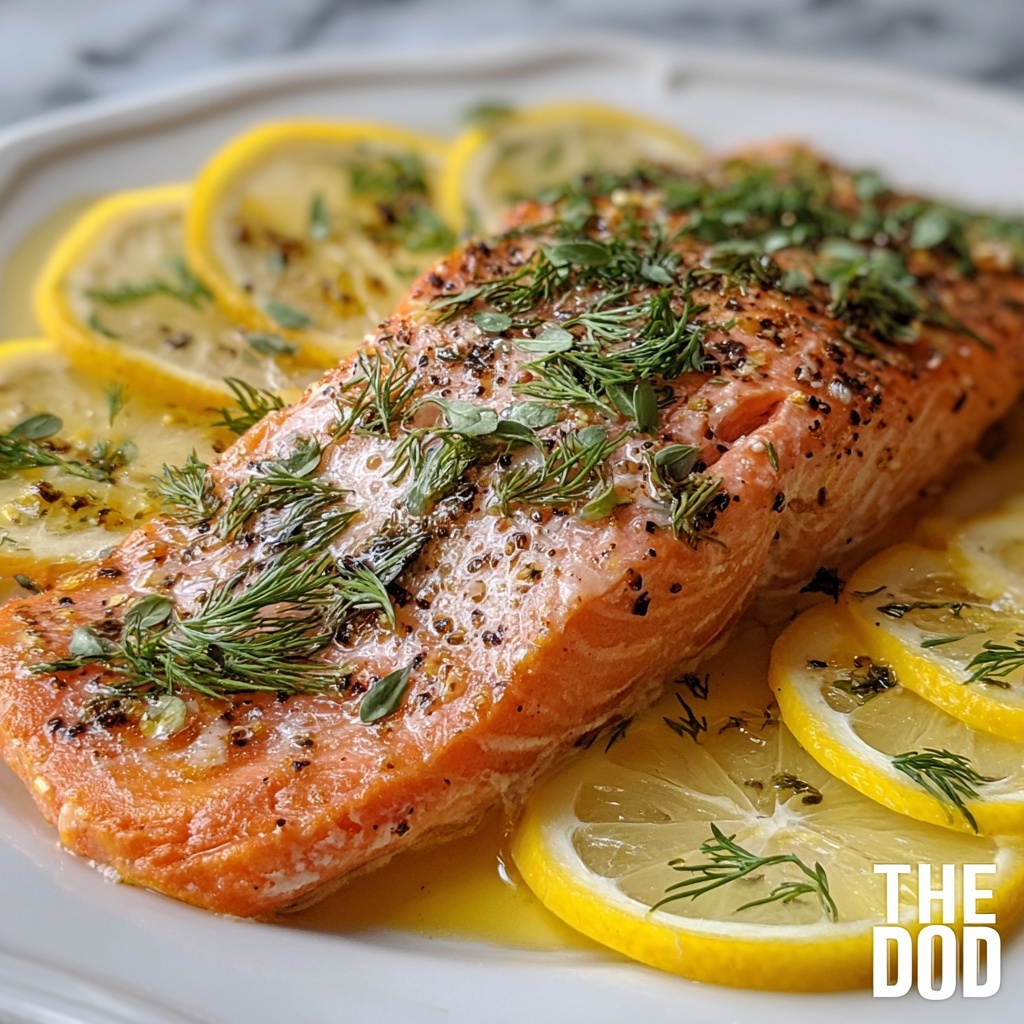
If you’re searching for a dish that feels both comforting and elegant, this Salmon Roasted in Butter Recipe is an absolute winner. Tender, flaky salmon fillets bathed in a luscious buttery and lemony sauce, enhanced by fresh herbs and garlic, make every bite a delight. It’s simple enough for a weeknight but impressive enough to serve guests, capturing the magic of a restaurant-worthy dish right in your own kitchen. Let me take you through how to bring this easy yet irresistibly flavorful recipe to life!
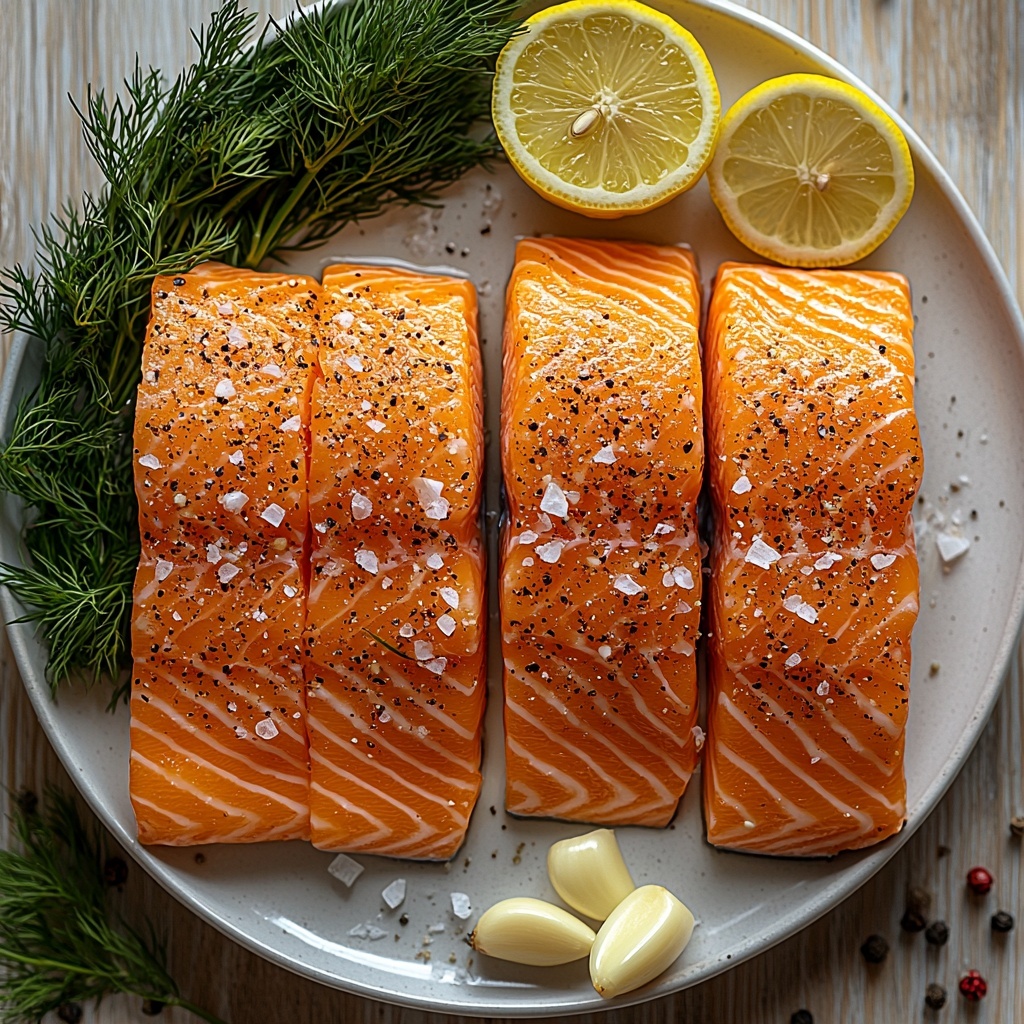
Ingredients You’ll Need
Keeping the ingredient list straightforward is part of what makes this Salmon Roasted in Butter Recipe so accessible and approachable. Each component plays a special role—from the richness of butter to the brightness of fresh lemon and herbs—ensuring a harmonious blend of flavors and textures.
- Salmon fillets (6 oz each): Choose fresh, skin-on salmon for optimal flavor and moisture retention during roasting.
- Unsalted butter (4 tbsp): The star that adds silky richness and helps the salmon stay tender and juicy.
- Fresh lemon juice (2 tbsp): Brings a bright, tangy contrast that balances the buttery richness beautifully.
- Fresh dill or parsley, chopped (1 tbsp): These herbs add a fresh, lively aroma and a pop of green color to the finished dish.
- Garlic cloves, minced (2): Infuses the butter sauce with subtle pungency and complexity.
- Salt and pepper to taste: Essential seasoning to enhance and elevate the natural flavors of the salmon.
How to Make Salmon Roasted in Butter Recipe
Step 1: Preheat and Prepare
Start by preheating your oven to 400°F (200°C). This temperature is perfect for roasting salmon so it cooks evenly and develops a gentle caramelization. Meanwhile, prepare your baking dish by spraying it with nonstick cooking spray or lining it with parchment paper—this ensures the salmon won’t stick and cleanup will be a breeze.
Step 2: Season the Salmon
Pat your salmon fillets dry with paper towels to remove excess moisture, which helps the butter sauce adhere. Then season both sides with salt and freshly ground black pepper. Place the fillets skin-side down in your prepared dish to keep the skin crisp and intact during roasting.
Step 3: Make the Butter Sauce
In a small bowl, combine the melted butter with the fresh lemon juice and minced garlic. This simple yet flavorful mixture will saturate the salmon, adding luscious buttery richness accented by bright citrus notes and garlicky warmth. Drizzle this sauce generously over the salmon fillets.
Step 4: Add Fresh Herbs and Roast
Sprinkle the chopped dill or parsley on top of the salmon to lend a fresh, herbal finish. Pop the baking dish into the preheated oven and roast for 12 to 15 minutes. The salmon is done when it flakes easily with a fork and reaches an internal temperature of 145°F (63°C). Keep an eye on it so it stays tender and perfectly cooked.
Step 5: Serve with Sauce
Once roasted, spoon any remaining buttery sauce from the pan back over the salmon before serving. This extra touch ensures every bite is soaked in that buttery, lemony goodness.
How to Serve Salmon Roasted in Butter Recipe
Garnishes
For a finishing touch, consider adding thin lemon slices or a few extra sprigs of fresh dill or parsley on the side. A light dusting of cracked black pepper or a sprinkle of sea salt flakes can bring an extra layer of texture and visual appeal, making your beautifully roasted salmon pop on the plate.
Side Dishes
This Salmon Roasted in Butter Recipe pairs wonderfully with light, fresh sides to complement its richness. Try roasted asparagus, a crisp garden salad, or herbed quinoa. Creamy mashed potatoes or a bed of buttery rice also work beautifully to soak up that incredible sauce.
Creative Ways to Present
For a stunning presentation, serve the salmon over a colorful bed of sautéed greens like spinach or kale. You might also plate individual fillets atop whole grain couscous with a sprinkle of toasted almonds for crunch. If entertaining, this dish looks striking garnished with edible flowers or microgreens to elevate your table.
Make Ahead and Storage
Storing Leftovers
If you have any leftover salmon, store it in an airtight container and keep it in the refrigerator for up to two days. Make sure to reserve some of the sauce to drizzle back on when reheating so the salmon remains moist and flavorful.
Freezing
This recipe freezes well. Place cooled salmon and sauce in a freezer-safe container or heavy-duty zip-top bag, removing as much air as possible. Frozen salmon will maintain its quality for up to two months. Thaw in the refrigerator overnight before reheating.
Reheating
Reheat gently in a low oven at 275°F (135°C) for 10–15 minutes or until warmed through to avoid drying out the delicate fish. Alternatively, warm it in the microwave at medium power in short bursts, adding a tiny splash of water or leftover sauce to maintain moisture.
FAQs
Can I use frozen salmon for this recipe?
Absolutely! Just be sure to thaw the salmon completely and pat it dry before proceeding with the recipe to ensure even cooking and prevent excess moisture from diluting the buttery sauce.
What if I don’t have fresh herbs?
Dried herbs can work in a pinch, but fresh dill or parsley really brighten the dish. If using dried herbs, add them sparingly—about a teaspoon—and mix into the butter sauce before drizzling.
Can I substitute lemon juice with something else?
If fresh lemon juice isn’t on hand, a splash of white wine vinegar or even a bit of lime juice can work as a substitute to provide that essential acidic balance with the butter.
How do I know when the salmon is perfectly cooked?
The salmon is ready when it flakes easily with a fork and reaches an internal temperature of 145°F (63°C). The flesh should be opaque and tender but still moist—avoid overcooking to keep it juicy.
Is it possible to make this recipe dairy-free?
Yes! Swap out butter for a dairy-free alternative like olive oil or a vegan butter substitute. Keep the other ingredients the same to retain that wonderful flavor combination.
Final Thoughts
This Salmon Roasted in Butter Recipe truly feels like a little celebration on a plate. It’s a blend of simplicity and elegance that you can whip up any day of the week, impressing yourself and anyone you’re lucky enough to share the meal with. I encourage you to give it a try—it might just become your new favorite way to enjoy salmon!
Print
Delicious Recipe
- Prep Time: 5 minutes
- Cook Time: 15 minutes
- Total Time: 20 minutes
- Yield: 2 servings
- Category: Main Course
- Method: Roasting
- Cuisine: American
- Diet: Low Fat
Description
This delicious roasted salmon recipe showcases tender, flaky salmon fillets cooked in a rich lemon-garlic butter sauce and topped with fresh herbs. Ready in just 25 minutes, it’s a simple yet elegant dish perfect for a healthy weeknight dinner or special occasion.
Ingredients
Salmon
- 2 salmon fillets (6 oz each)
- Salt and pepper to taste
Butter Sauce
- 4 tbsp unsalted butter
- 2 tbsp fresh lemon juice
- 2 garlic cloves, minced
- 1 tbsp fresh dill or parsley, chopped
Instructions
- Preheat Oven: Preheat your oven to 400°F (200°C) to ensure it’s hot enough to cook the salmon evenly.
- Prepare Baking Dish: Lightly grease a baking dish with nonstick spray or line it with parchment paper to prevent sticking.
- Season Salmon: Pat the salmon fillets dry and season both sides with salt and pepper. Place them skin-side down in the prepared baking dish.
- Make Butter Sauce: In a small bowl, combine the melted butter, fresh lemon juice, and minced garlic. Mix well to infuse the flavors.
- Apply Sauce: Drizzle the lemon-garlic butter sauce evenly over the salmon fillets, making sure they are well coated.
- Add Fresh Herbs: Sprinkle the chopped fresh dill or parsley over the salmon for a burst of fresh flavor.
- Roast Salmon: Place the baking dish in the preheated oven and roast the salmon for 12-15 minutes, or until it flakes easily with a fork and reaches an internal temperature of 145°F (63°C).
- Serve: Remove from the oven and spoon any remaining buttery sauce over the salmon before serving. Enjoy warm.
Notes
- For the freshest flavor, use fresh lemon juice rather than bottled.
- Check the salmon’s internal temperature with a meat thermometer to avoid overcooking.
- You can substitute fresh dill with parsley or tarragon depending on your preference.
- This recipe is perfect for serving with steamed vegetables, rice, or a fresh green salad.
- Leftovers can be stored in an airtight container and refrigerated for up to 2 days.