“`html
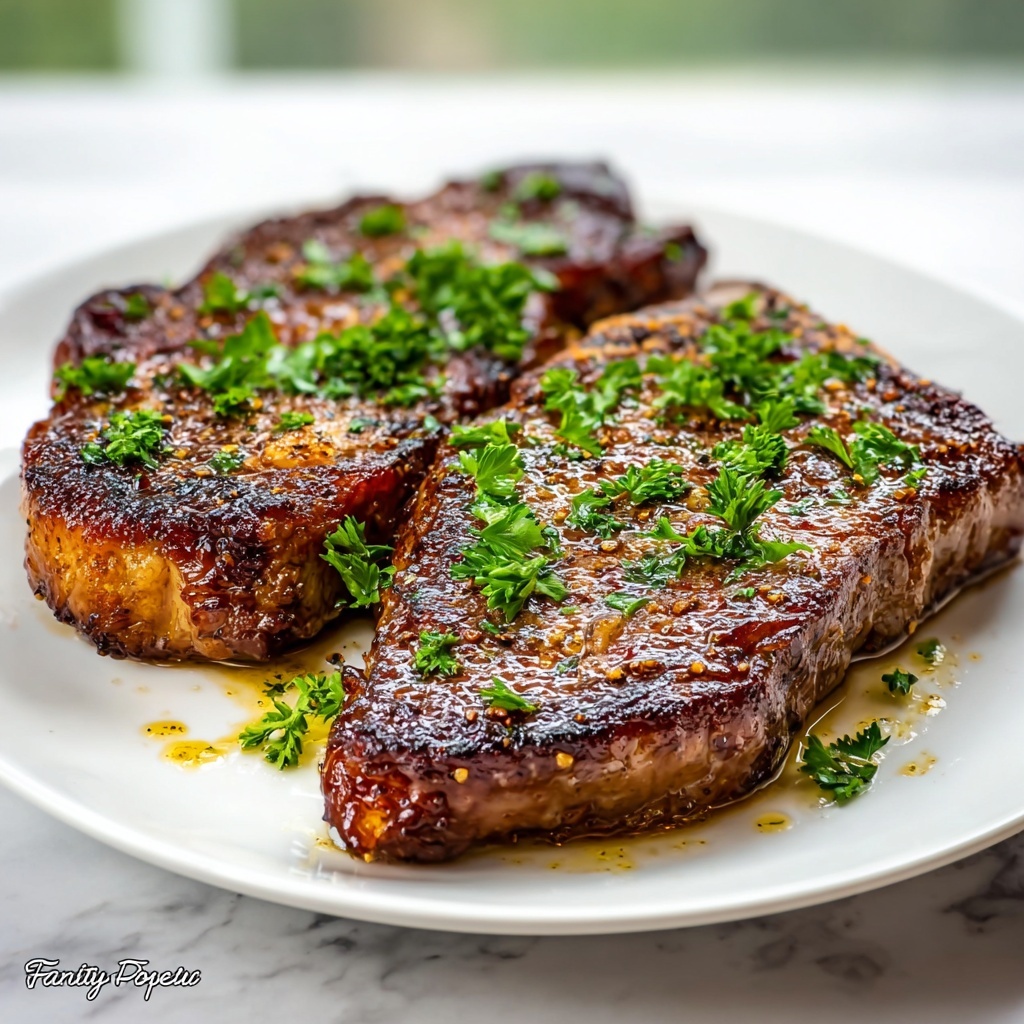
If you are craving a steak dinner that feels like a celebration every single time, the Garlic Butter Cast Iron Ribeye Steak: Juicy & Flavorful Recipe is going to become your new go-to. This dish is all about capturing the rich, mouthwatering juiciness of a perfectly cooked ribeye, amplified by that irresistible garlic butter and fresh herbs, all cooked with love in a cast iron skillet. Trust me, once you try it, you’ll never settle for anything less when it comes to steak night.
Ingredients You’ll Need
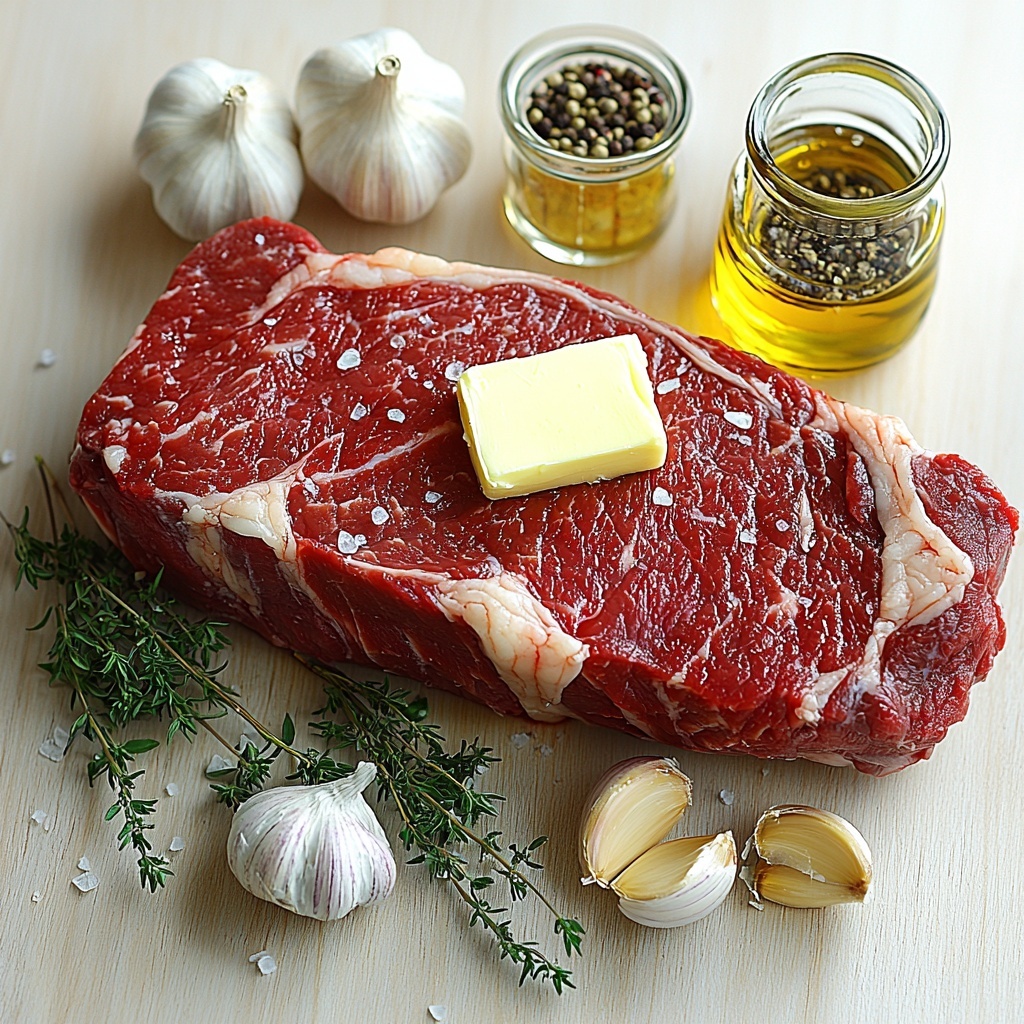
The beauty of this Garlic Butter Cast Iron Ribeye Steak: Juicy & Flavorful Recipe lies in its simplicity. Every ingredient plays a special role, whether it’s building flavor, enhancing texture, or adding that fresh aromatic touch that makes the steak sing.
- Ribeye Steak: The star of the show, known for its marbling and tenderness, perfect for a juicy bite every time.
- Fresh garlic cloves: Minced to infuse the butter with a warm, savory punch that complements the beef beautifully.
- Unsalted butter: Adds richness and helps carry the garlic and herbs’ flavors over the steak.
- Fresh thyme or rosemary: Aromatic herbs that elevate the steak’s flavor with subtle earthiness and freshness.
- Good-quality sea salt: Essential for seasoning and enhancing the natural flavors of the steak.
- Freshly cracked black pepper: Adds a bit of heat and complexity without overpowering the meat.
- Vegetable oil or any high smoke point oil: Needed to get that perfect sear without burning the butter.
How to Make Garlic Butter Cast Iron Ribeye Steak: Juicy & Flavorful Recipe
Step 1: Bring the Steak to Room Temperature
Start by taking your ribeye out of the fridge about 30 to 45 minutes before cooking. Letting it come to room temperature ensures the steak cooks evenly, giving you a beautifully uniform sear and juicy center every time.
Step 2: Preheat Your Cast Iron Skillet
A properly heated cast iron skillet is crucial. Turn your burner to medium-high and let the pan get hot. A sizzling hot skillet is what will create that irresistible crust that locks in all the steak’s juices.
Step 3: Prep and Season the Steak
Pat the ribeye dry using paper towels to remove excess moisture—this step helps the crust form nicely. Generously season both sides with sea salt and freshly cracked black pepper. Don’t be shy here; the seasoning is what brings out the steak’s natural flavors.
Step 4: Add Oil and Sear
Drizzle a tablespoon of your high smoke point oil into the hot skillet, swirling to coat the surface. Carefully lay the steak in the pan and let it sear undisturbed for 4 to 5 minutes. This patience yields that perfectly browned crust everyone loves, especially if you’re aiming for medium-rare, about 130°F (54°C) internal temperature.
Step 5: Flip and Add Garlic Butter
Use tongs to gently flip the steak. Immediately add 2 tablespoons of unsalted butter, the minced garlic, and your choice of thyme or rosemary to the pan. As the butter melts, tilt the skillet slightly and spoon the garlic-infused butter over the steak — this basting is the secret to getting that deep, luscious flavor infused all over the meat.
Step 6: Finish Cooking to Desired Doneness
Continue cooking for another 4 to 5 minutes for medium-rare, adjusting time if you prefer it more or less done. The constant basting with garlic butter will keep the steak juicy and packed with flavor until the very last second of cooking.
Step 7: Rest Before Slicing
Once done, transfer the steak to a cutting board and let it rest for 5 to 10 minutes. This step is vital because it lets the juices redistribute inside the meat, so every bite is tender and juicy. Slice against the grain, drizzle any remaining garlic butter over the meat, and you’re ready to serve!
How to Serve Garlic Butter Cast Iron Ribeye Steak: Juicy & Flavorful Recipe
Garnishes
Simple garnishes like a sprinkle of flaky sea salt or a few fresh sprigs of thyme or rosemary enhance the aroma and visual appeal. A light drizzle of fresh garlic butter pooled on the steak slices adds a glossy, delectable finish that invites you to dig in right away.
Side Dishes
Since the steak is rich and flavorful, pairing it with classic sides like garlic mashed potatoes, roasted asparagus, or a fresh mixed greens salad with a tangy vinaigrette balances the plate. These sides provide texture contrasts without competing with the steak’s bold flavors.
Creative Ways to Present
For an impressive presentation, serve the steak atop a wooden cutting board or rustic platter with herbs scattered around. Layer thin slices and spoon the warm garlic butter sauce artfully over the top. Pair with small ramekins of compound butters or sauces for dipping to turn your meal into an elegant feast.
Make Ahead and Storage
Storing Leftovers
If you’re lucky enough to have leftovers, place the steak in an airtight container and store it in the fridge for up to 3 to 4 days. Keep in mind the garlic butter flavor will mature slightly, making reheated bites even tastier if done right.
Freezing
You can freeze cooked steak, wrapped tightly in foil or plastic wrap and then placed in a freezer bag, for up to 2 months. For best results, defrost overnight in the fridge to preserve texture and juiciness before reheating.
Reheating
To gently reheat without drying out your steak, use a low oven setting (around 250°F/120°C) and warm it slowly on a rack so air circulates around the meat. Alternatively, reheat in a skillet with a bit of butter over low heat and cover to retain moisture. Avoid microwaving as it can toughen the steak.
FAQs
Can I use a different cut of steak for this recipe?
Absolutely! While ribeye is ideal due to its marbling and flavor, you can try strip steak or filet mignon. Just keep in mind that cooking times and fat content will vary.
Why is resting the steak important?
Resting allows the juices, driven to the center during cooking, to redistribute evenly throughout the meat, ensuring every bite is juicy and tender instead of dry.
Can I use dried herbs instead of fresh thyme or rosemary?
Yes, but fresh herbs deliver a brighter, more aromatic flavor. If using dried, reduce the quantity as they can be more concentrated and less fragrant when cooked.
What if I want my steak well done?
Simply increase the cooking time on each side and use a meat thermometer to check doneness. Be sure to baste frequently to keep it moist and flavorful.
Is vegetable oil necessary, or can I use olive oil?
Use oils with a high smoke point like vegetable or canola oil for searing to avoid burning. Olive oil has a lower smoke point and may burn, imparting a bitter taste.
Final Thoughts
This Garlic Butter Cast Iron Ribeye Steak: Juicy & Flavorful Recipe is a true celebration of simple ingredients coming together to make something extraordinary. The marriage of a tender, perfectly seared ribeye with rich garlic butter and fragrant herbs is a guaranteed crowd-pleaser that you’ll find yourself making on repeat. So go ahead, grab your cast iron skillet, and create a meal that feels like a warm hug on a plate—you won’t regret it!
“`
Print
Garlic Butter Cast Iron Ribeye Steak: Juicy & Flavorful Recipe
- Prep Time: 10 minutes (plus 30-45 minutes to bring steak to room temperature)
- Cook Time: 10 minutes
- Total Time: 45-55 minutes
- Yield: 2 servings
- Category: Main Course
- Method: Frying
- Cuisine: American
Description
This Garlic Butter Cast Iron Ribeye Steak recipe delivers a juicy, flavorful steak with a perfectly seared crust infused with garlic, fresh herbs, and rich butter. Using a cast iron skillet ensures even cooking and a delicious crust, while basting with garlic butter enhances the steak with aromatic goodness. Ideal for a quick yet impressive meal.
Ingredients
Steak
- 1 ribeye steak (about 12 oz)
Seasoning & Aromatics
- 3–4 fresh garlic cloves, minced
- 2 tablespoons unsalted butter
- 2–3 sprigs fresh thyme or rosemary
- 1 tablespoon good-quality sea salt
- 1 teaspoon freshly cracked black pepper
Cooking Oil
- 1 tablespoon vegetable oil or any high smoke point oil
Instructions
- Bring Steak to Room Temperature: Remove the ribeye steak from the refrigerator and let it sit out for 30-45 minutes to reach room temperature. This ensures more even cooking throughout the steak.
- Preheat the Cast Iron Skillet: Place your cast iron skillet over medium-high heat and allow it to heat up thoroughly. A hot skillet is crucial for forming a perfect sear on the steak.
- Prepare the Steak: Pat the steak dry with paper towels to remove excess moisture, which helps in developing a better crust. Season both sides generously with sea salt and freshly cracked black pepper.
- Add Oil to the Skillet: Once the skillet is hot, add 1 tablespoon of vegetable oil and swirl it around to evenly coat the bottom of the pan.
- Sear the First Side: Carefully lay the ribeye steak into the skillet. Avoid moving it and sear for 4-5 minutes to form a nice crust. For medium-rare, target an internal temperature of 130°F (54°C).
- Flip and Add Butter and Herbs: Using tongs, flip the steak to the other side. Immediately add 2 tablespoons of unsalted butter, minced garlic, and fresh thyme or rosemary sprigs to the skillet.
- Baste the Steak: As the butter melts, tilt the pan slightly and use a spoon to continuously baste the steak with the melted garlic butter. Continue cooking for another 4-5 minutes for medium-rare doneness, adjusting time as needed for your preferred level.
- Rest the Steak: Remove the steak from the skillet and place it on a cutting board. Let it rest for 5-10 minutes; this allows the juices to redistribute within the meat for a juicy bite.
- Slice and Serve: Slice the steak against the grain for maximum tenderness. Drizzle any remaining garlic butter from the skillet over the sliced steak and serve immediately.
Notes
- Allowing the steak to rest before cooking brings it to room temperature, helping it cook more evenly.
- Drying the steak thoroughly is key for creating a crispy, caramelized crust.
- Basting with garlic butter infuses additional flavor and keeps the steak moist.
- Use a meat thermometer to check internal temperature for perfect doneness: 130°F (54°C) for medium-rare.
- Resting the steak after cooking helps retain juiciness.