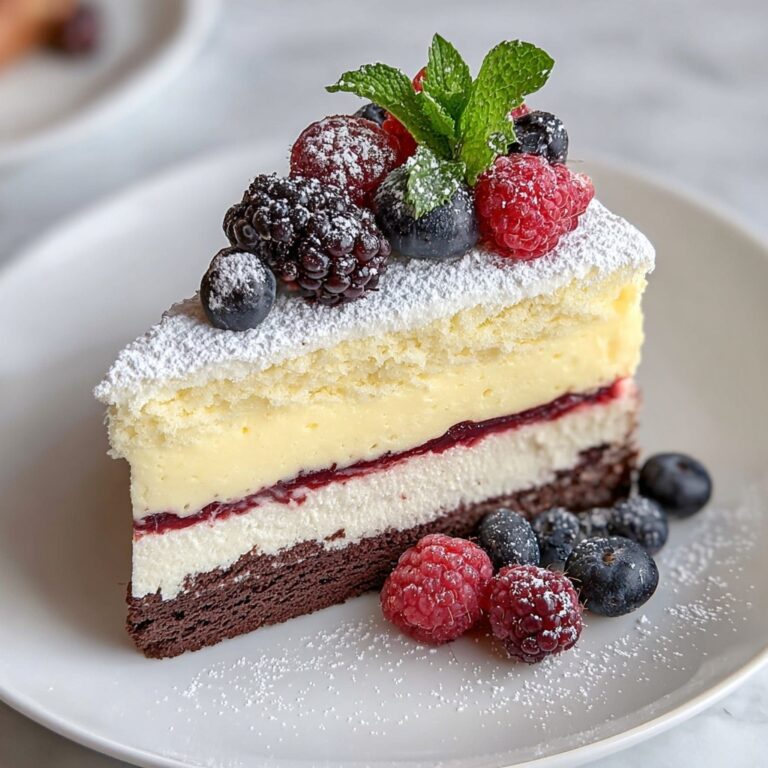

If you love a dessert that feels both refreshing and indulgent, this Lemon Custard Cake Recipe is sure to become one of your favorites. Imagine a delicate, fluffy sponge cake that magically floats above a smooth, silky lemon custard—light, tangy, and satisfying all at once. It’s incredibly simple to make but delivers a show-stopping flavor that brightens any table, perfect for sharing with friends or treating yourself to a slice of sunshine on a cozy afternoon.

Ingredients You’ll Need
These straightforward ingredients come together to create a beautiful balance of tangy lemon and creamy custard with a tender sponge layer. Each component plays its role: butter brings richness, eggs offer structure and lift, flour adds just the right amount of body, and fresh lemon juice and zest brighten the whole cake with vibrant citrus flavor.
- 1 cup granulated sugar: Sweetens the cake perfectly without overpowering the lemon’s brightness.
- 1/2 cup unsalted butter (softened): Adds creamy richness and helps achieve a tender crumb.
- 3 large eggs (separated): Yolks enrich the custard, while whipped whites create the cake’s airy sponge top.
- 1 tablespoon lemon zest: Packs a punch of fresh lemon flavor that complements the juice.
- 1/3 cup fresh lemon juice: Provides the essential tang that makes this cake uniquely refreshing.
- 1/4 cup all-purpose flour: Gives structure without weighing down the delicate texture.
- 1/4 teaspoon salt: Enhances all the other flavors and balances the sweetness.
- 1 cup whole milk: Adds moisture for the smooth custard base.
- Powdered sugar for dusting (optional): A pretty finishing touch that adds a light sweetness and visual appeal.
How to Make Lemon Custard Cake Recipe
Step 1: Prepare Your Baking Dishes
Preheat your oven to 350°F (175°C) and lightly grease an 8-inch square baking dish. Then, place this dish inside a larger baking pan to prepare for a water bath later, ensuring the custard cooks gently and evenly without curdling or cracking.
Step 2: Cream the Sugar and Butter
In a large bowl, beat the sugar and softened butter together until the mixture becomes light and fluffy—this step is crucial for the light texture of the cake. The aeration here sets the stage for a beautiful rise and tender crumb.
Step 3: Add Egg Yolks and Lemon
Beat in the egg yolks one at a time, mixing well after each addition. Stir in the fresh lemon zest and juice next—this is where your cake starts to get that bright, irresistible citrus personality that’s impossible to resist.
Step 4: Combine Dry Ingredients and Milk
Gently stir in the flour and salt just until combined. Avoid overmixing to keep the cake tender. Slowly pour in the whole milk and mix until the batter is smooth and luscious, the perfect consistency to support that custard layer.
Step 5: Whip Egg Whites and Fold
In a clean bowl, beat the egg whites until stiff peaks form, creating the cloud-like sponge top. Carefully fold these whipped whites into the lemon batter in batches, taking care not to deflate the mixture. This is the magic that makes the cake rise beautifully.
Step 6: Bake in a Water Bath
Pour the batter into the prepared baking dish. Place the dish into the larger pan and pour hot water halfway up the sides. Bake for 40 to 45 minutes until the top is set and lightly golden. This gentle baking method ensures the custard remains silky and the sponge is tender.
Step 7: Cool and Serve
Let the cake cool at room temperature for at least 30 minutes to allow the custard to fully set. Dust with powdered sugar if you like a little extra sweetness and a pretty finish before serving.
How to Serve Lemon Custard Cake Recipe
Garnishes
A light dusting of powdered sugar is a classic choice that adds visual appeal and a delicate sweetness. For a fresh twist, try garnishing with thin lemon slices, a sprinkle of finely chopped mint, or a few edible flowers to brighten each slice even more.
Side Dishes
This Lemon Custard Cake pairs beautifully with light accompaniments like fresh berries, a dollop of whipped cream, or even a scoop of vanilla ice cream. These sides complement the tangy custard and enhance the refreshing citrus flavor without overshadowing it.
Creative Ways to Present
For a special occasion, serve this cake on elegant dessert plates with a drizzle of lemon glaze or a spoonful of berry compote. You can also cut the cake into neat squares for a beautiful layered effect that showcases the custard beneath the sponge. The contrast in textures makes every bite memorable.
Make Ahead and Storage
Storing Leftovers
Store any leftover Lemon Custard Cake in an airtight container in the refrigerator. It will keep well for up to 3 days, maintaining its lovely texture and fresh lemon flavor. Be sure to bring it to room temperature or serve chilled as you prefer.
Freezing
If you want to keep this cake for longer, you can freeze it. Wrap it tightly with plastic wrap and then foil to prevent freezer burn. Thaw in the refrigerator overnight before serving, though note that the custard may be slightly softer after freezing.
Reheating
Reheating lemon custard cake is best done gently. Warm individual slices in the microwave for 15 to 20 seconds or enjoy chilled. Avoid overheating to preserve the contrasting textures of the soft custard and fluffy sponge.
FAQs
Can I use lemon extract instead of fresh lemon juice?
While lemon extract can add flavor, fresh lemon juice and zest provide the vibrant, natural brightness that truly defines this cake. For the best results, stick with fresh lemons.
Why do I need to bake the cake in a water bath?
Baking in a water bath creates gentle, even heat around the custard, preventing cracking and ensuring a smooth, creamy texture beneath the sponge layer.
Can I make this cake dairy-free or vegan?
This particular Lemon Custard Cake Recipe relies on butter, milk, and eggs for its signature texture, so converting it would require significant substitutions. If you want a dairy-free or vegan lemon dessert, there are other recipes specifically designed for those diets.
What causes the cake to separate into custard and sponge layers?
The magic happens thanks to the water bath and the carefully folded egg whites lifting the batter. While baking, the egg whites create a fluffy top layer, and the custard sets below, giving you that delightful dual texture.
How tart is this Lemon Custard Cake Recipe?
This cake offers a pleasant balance of tangy and sweet, but you can easily adjust the tartness by adding a little more lemon juice when mixing the batter to suit your preference.
Final Thoughts
Making this Lemon Custard Cake Recipe is such a joyful experience, both in the kitchen and at the table. Its unique texture and bright lemon flavor make it a wonderful treat for any season, whether you’re celebrating a special occasion or simply craving a luscious dessert. I encourage you to try it soon—you’ll be amazed at how effortlessly this simple recipe delivers something truly extraordinary.
Print
Delicious Recipe
- Prep Time: 15 minutes
- Cook Time: 45 minutes
- Total Time: 1 hour
- Yield: 6 servings
- Category: Dessert
- Method: Baking
- Cuisine: American
- Diet: Vegetarian
Description
Lemon Custard Cake is a delightful dessert featuring a fluffy sponge cake layer resting atop a silky, creamy lemon custard base. This easy-to-make cake combines the tart brightness of fresh lemon juice and zest with a tender, light texture that is perfect for spring and summer gatherings. Baked in a water bath for a smooth custard finish, it can be served chilled or at room temperature with an optional dusting of powdered sugar.
Ingredients
Cake Ingredients
- 1 cup granulated sugar
- 1/2 cup unsalted butter (softened)
- 3 large eggs (separated)
- 1 tablespoon lemon zest
- 1/3 cup fresh lemon juice
- 1/4 cup all-purpose flour
- 1/4 teaspoon salt
- 1 cup whole milk
- Powdered sugar for dusting (optional)
Instructions
- Preheat and Prepare Baking Dish: Preheat your oven to 350°F (175°C) and lightly grease an 8-inch square baking dish to prevent sticking.
- Cream Butter and Sugar: In a large bowl, beat the granulated sugar and softened unsalted butter together until the mixture becomes light and fluffy, which helps in creating a tender cake texture.
- Add Egg Yolks and Lemon: Add the egg yolks one at a time, mixing well after each addition. Then incorporate the lemon zest and fresh lemon juice, which infuse the cake with bright citrus flavor.
- Combine Dry Ingredients: Stir in the all-purpose flour and salt just until combined to avoid overmixing and toughening the cake.
- Add Milk: Gradually add the whole milk to the batter, stirring until smooth to maintain a creamy consistency.
- Beat Egg Whites: In a separate clean bowl, beat the egg whites until stiff peaks form, which will aerate the batter and create the cake’s light texture.
- Fold Egg Whites into Batter: Gently fold the beaten egg whites into the lemon batter in batches to keep the mixture airy and prevent deflating the egg whites.
- Prepare Water Bath and Bake: Pour the batter into the prepared baking dish. Place this dish inside a larger baking pan and fill the outer pan halfway up the sides with hot water to create a water bath. Bake for 40–45 minutes until the top is set and lightly golden, ensuring the custard layer cooks evenly without cracking.
- Cool and Serve: Allow the cake to cool for at least 30 minutes, which helps the custard set completely. Optionally, dust with powdered sugar before serving. The cake can be enjoyed chilled or at room temperature.
Notes
- The cake naturally separates into a fluffy sponge layer atop a silky custard base, creating a delightful texture contrast.
- For a more pronounced tartness, increase the amount of fresh lemon juice slightly to suit your preference.
- Serve this cake chilled or at room temperature for optimum flavor and texture.
- Use a clean bowl to beat the egg whites to ensure they reach stiff peaks.
- Make sure to gently fold the egg whites to retain their airiness and avoid deflating the batter.